Wish You Were Here


This morning as I was driving to the church I heard a song that I had heard many times in my life, but it was like this morning was the first time I REALLY listened to the song. The band Incubus is a hard rock band that I am sure most of you have never heard of, but their song “Wish You Were Here” intrigued me for some reason. 

When I arrived at the office and opened my Bible to read the sermon text for this coming Sunday (we will be in Acts 10 for those interested). Acts 10 tells us the story of Jesus correcting Peter about matters of cleanliness and gospel proclamation. As I read this text, that song that I listened to anew as if for the first time earlier echoed in my mind. And then I decided to look up an explaination of the meaning and the context of that song by Incubus. Vocalist Brandon Boyd told MTV.com several years ago that the song “was about (him) acknowledging a very brief moment in (his) life and in (the shared) experiences with (his band) as they made their (“Morning View”) album.” He further said, “I wish that I had somebody to (say), ‘I love you, man.’ I was wishing that there was someone there to share that moment with.”

Boyd longed for a connected community with substantive friendships that celebrated their time together making that album. He was reflecting what so many people desire: joy-filled hope within a community of people with shared experiences and life together.

As we prepare for Sunday, know that God will be placing you this week in places surrounded by people who long for a genuine relationship. The Holy Spirit stirred within Cornelius a desire to belong in the fellowship of God. Had Peter maintained his stubbornness about who was worthy of hearing the Gospel, Cornelius and other Gentiles in Caesarea Maritima may never had heard the Gospel (or maybe they would have, who knows?). But it is not a question we have to answer because Peter was obedient to God’s call and faithfully went where the Lord led him to carry the Gospel to all the world. As a result, people were added to the family of the Lord and all had the community gifted to them by God so that they could all share the joy-filled hope of Christ Jesus.

Are you obeying the call of Christ and faithfully pointing those entrusted to you by God himself to know Christ and enjoy him forever?  

If you are reading this and are looking for a genuine community of faith, we wish you were here. We have a place for you at Homewood CPC!

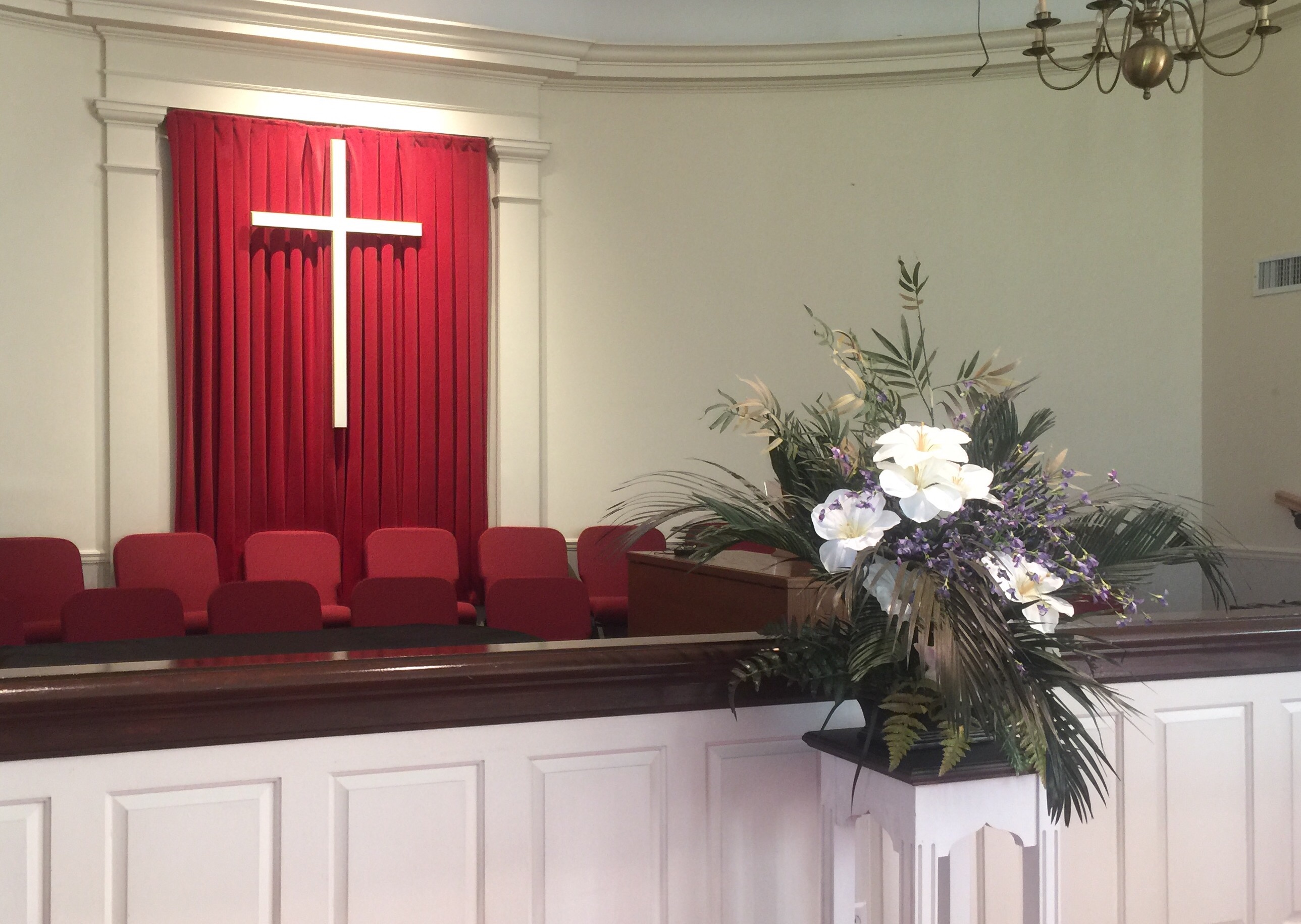
Sacred Spaces: The Flowers

“And which of you by being anxious can add a single hour to his span of life? And why are you anxious about clothing? Consider the lilies of the field, how they grow: they neither toil nor spin, yet I tell you, even Solomon in all his glory was not arrayed like one of these. But if God clothes the grass of the field, which today is alive and tomorrow is thrown into the oven, while he not much more clothe you, O you of little faith? Seek first the kingdom of God and his righteousness, and all these things will be added to you.” Matthew 6:27-30, 33

Nothing can suffocate like anxiety. Even though Jesus tells his followers to not be anxious, good, faithful Christians battle anxiety. Are these Christians being disobedient? Is their faith weak? The answer to both these questions is a resounding “NO”. Anxiety is a natural part of life. When we encounter unknown situations with unknown realities, we will have feelings of caution and concern converge within the soul and create a tension that can be incredibly intense and frightening to an individual. We all handle anxiety differently. But we should all hear the words of Christ about anxiety the same. We ought to trust God.

One enemy to the people of faith is forgetfulness. How many times in the Scriptures do we see God’s people forget his grace and mercy for their lives. From the Garden of Eden to the Exodus wilderness to the shores of the Sea of Galilee to the remote island of Patmos, Holy Scripture tells us of how life will throw so much at us that we will forget the still small voice of the Spirit of God. We must not forget the promise of God to us in Jesus Christ: “I will never leave nor forsake you.”

Allow me to pull the curtain back on my life for a moment. I am no stranger to anxiety. It is a reality for my life. I don’t understand it. I cannot control it. The only thing I know is that when anxiety strikes, it hits hard. Some may think less of a pastor because he or she has anxiety, but friends, know that more pastors have to fight against anxiety than you realize. My battle with anxiety began over a decade ago when a good friend of mine was diagnosed with cancer. I had family members diagnosed with cancer before, but when my friend was diagnosed, something about that was different. I had a hard time understanding why this friend and his family had to endure this disease. For perhaps the first time in my life, I had to deal with the tough questions of suffering in the world. And the only thing I knew to do was look to Jesus in prayer, worship, and faith. This led me to Matthew 6 and our Savior’s words about being anxious.

He talks about birds and flowers. He calls our attention to beauty and splendor of God’s creation. Jesus reminds us that God takes care of animals and flowers with such great attention that we should take note and rejoice. Even though there are storms and dangers to the natural world, God still nurtures. He grows. He clothes. He blesses. This is our God. He is so intimately involved in his creation that neither storm nor fury can separate us from him. How often do we forget this?

This leads me to consider the flowers that are so carefully placed upon the chancel each week. These flowers remind us each and every week that whatever may befall us, we can trust God to be faithful in all seasons of our lives. When we celebrate, God celebrates with us. When we mourn, God mourns with us. When we are anxious, God comforts us with his presence. Just as he provides everything for the flowers of the field, God provides for us in our time of need. He knows exactly how to care for us.

May we be reminded of this great promise. Romans 8 tells us that nothing can separate us from the love of God in Christ Jesus. Nothing. So let us cast our cares and anxieties upon Jesus and rejoice, even when we have lost control and cannot understand what’s happening in the world. Amen.

A Place For You

We have a place for you at Homewood CPC. That is not just a nifty catch phrase. It is the reality in which we live. Homewood CPC is a place that literally has a place for you. In so many ways, churches and organizations want you to come in and adapt to their standards and guidelines. At Homewood CPC, we truly believe that God has knit this community together knowing that every person who comes to Homewood CPC has a place to exercise the gifts given them by Christ Jesus. We are a place that values the gifts of God in the people of God.

This is the standard to which we all hope to live–we have been blessed to be a blessing to others. So our question each week at Homewood CPC is, “How can we as individuals be a blessing to the world around us?”

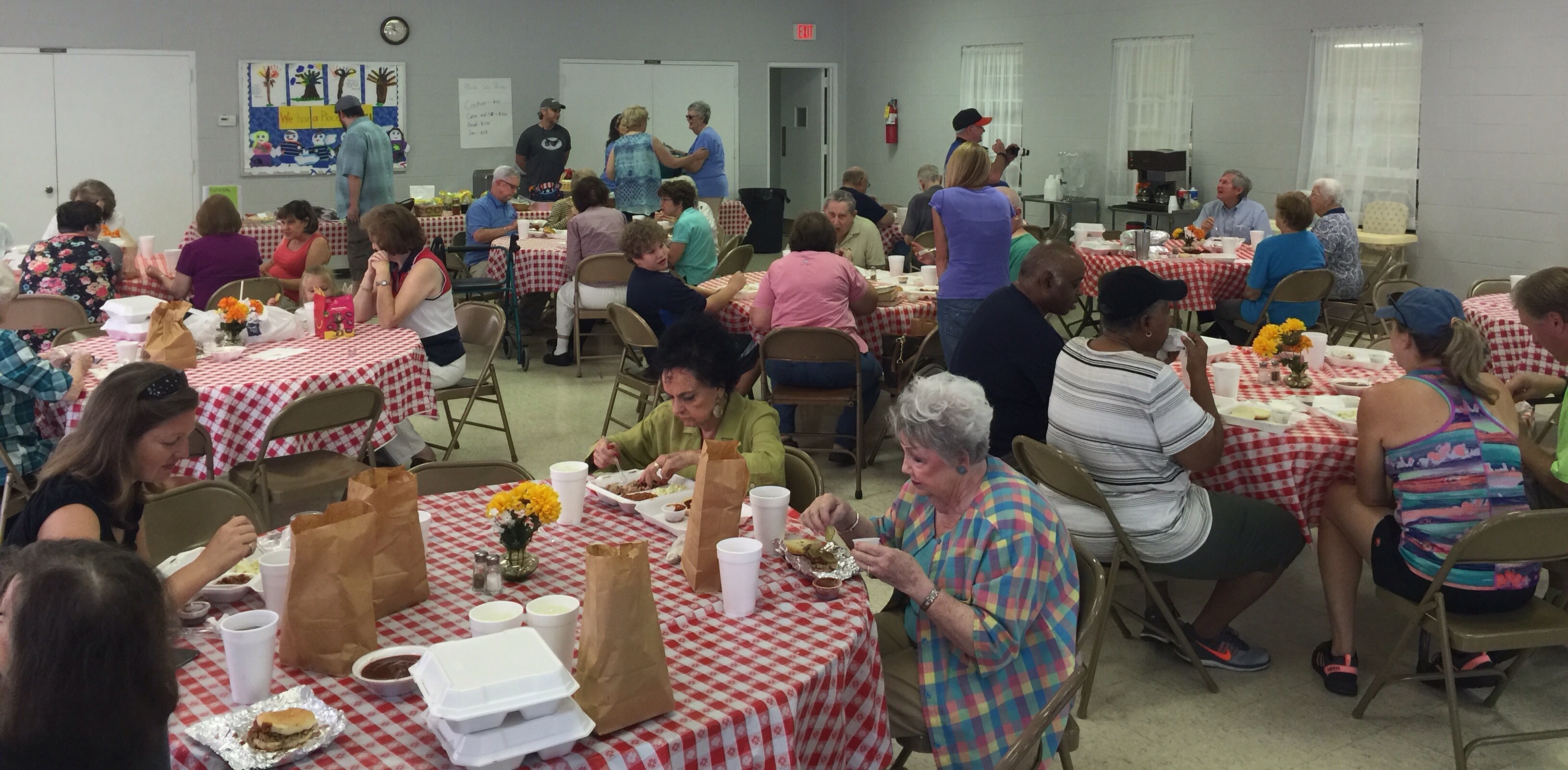
This means that we need you. It is so easy for us all to forget this reality. Whenever we have a worship service and you are not in attendance, the body lacks. Whenever we have a bible study or fellowship dinner, we truly miss those who are absent. God created us to be the body of Christ and to live fully together to the glory of His name. Let us never neglect this calling, for when we neglect it, we neglect God and His Word.

Sherrad and I hope to see you all this Sunday. We both know that life can be busy. But we also know that the life rightly ordered is anchored in the person of Jesus Christ. Jesus Christ is the Way, the Truth, and the Life. Should we all not make it our priority to encourage one another as we follow Christ together? As we encounter the busyness of life, may we encounter it together.

The witness of Acts is clear: when the Christian community faithfully gathers with one heart and one mind to study the scriptures, to break bread together, to pray with and encourage one another, and to care for one another in our times of need, God adds to the number of that community. If you don’t believe me, check out Acts 2 and Acts 4.

This is our call. This is our desire. This is our purpose. At Homewood CPC, we have a place for you. If you haven’t attended in a while, we invite to come claim your place and let’s see how God grows us for the glory of Christ Jesus.

Defining Moments

Defining moments in sporting events are critical. During the 2016 World Series, the Cubs and Indians played a classic series that led to something no one ever thought possible–the Cubs won the World Series. As a lifelong Cubs fan, I had endured 32 years of disappointment and jokes directed toward the “lovable losers” of baseball. But 2016 was different. A team filled with young talent and wise leadership made the most of their opportunity and took charge of the moment at hand.

When Game 7 began, the Cubs opened the game with a lead off home run by Dexter Fowler. Later in the game, the old veteran David Ross cracked a home run. As big as those two moments were, they were not the defining moments of the game. No, the defining moment of the game came not because of a stellar play on the field, but instead, when the rain began to fall after the 9th inning ended with the game tied 6-6. I truly believe that the Indians would have won the World Series had that rain delay not happened. What was the defining moment? During the rain delay, another veteran who had struggled with his bat during the entire postseason, Jason Heyward entered the locker room with his Cub teammates and delivered and impassioned speech that reminded the team of who they were and what was on the line in that game. He appealed to the team’s sense of purpose and talent. He reminded them that they had what it took to finish the game and end a 108 drought for the “lovable losers”.

When the game resumed around 20 minutes later, the Cubs came out and scored two runs in the 10th and held on to win the series 8-7 over the Indians.

The defining moment of the World Series was a speech during a rain delay from a struggling veteran. Incredible.

As we live our lives, we have defining moments. These moments are important for us as we attempt to navigate this life of faith. On Sunday mornings at Homewood CPC, we have opportunities to come to church and hear a message from God’s Holy Word reminding us of who we are, who God is, and what God has done for us and called us to.

The sermon each and every week hopefully provides each of us with the truth of Jesus Christ in order for us to finish well. Paul often times refers to life as a race, and he encourages us all to finish well. If we want to finish this life well, we must focus upon Christ and his call for all our lives. Any person who stands in the pulpit at Homewood CPC is aware of the importance of the centrality of the defining moment in all of creation. This defining moment is Jesus Christ. How do we respond to him?

I think I can speak for both Sherrad and myself here, but we know and understand that every sermon cannot be “the greatest sermon ever preached”. We wrestle and struggle each week with obediently proclaiming the Gospel to a community of faith in an imperfect world. Through all our weaknesses and limitations, we always strive to proclaim the only thing worth proclaiming–Jesus Christ and him crucified. As a result of that truth, we hope to lead and equip the members of HCPC in the faithful execution of Christ’s commands. We are called to love one another more and more.

We are called to share the love of Christ with all we meet. We are called to worship and know our place in this world. And we are called to trust in Christ alone for our salvation, our purpose, our strength, and our all.

What will we do with the defining moments on Sundays? Only you can answer that question.

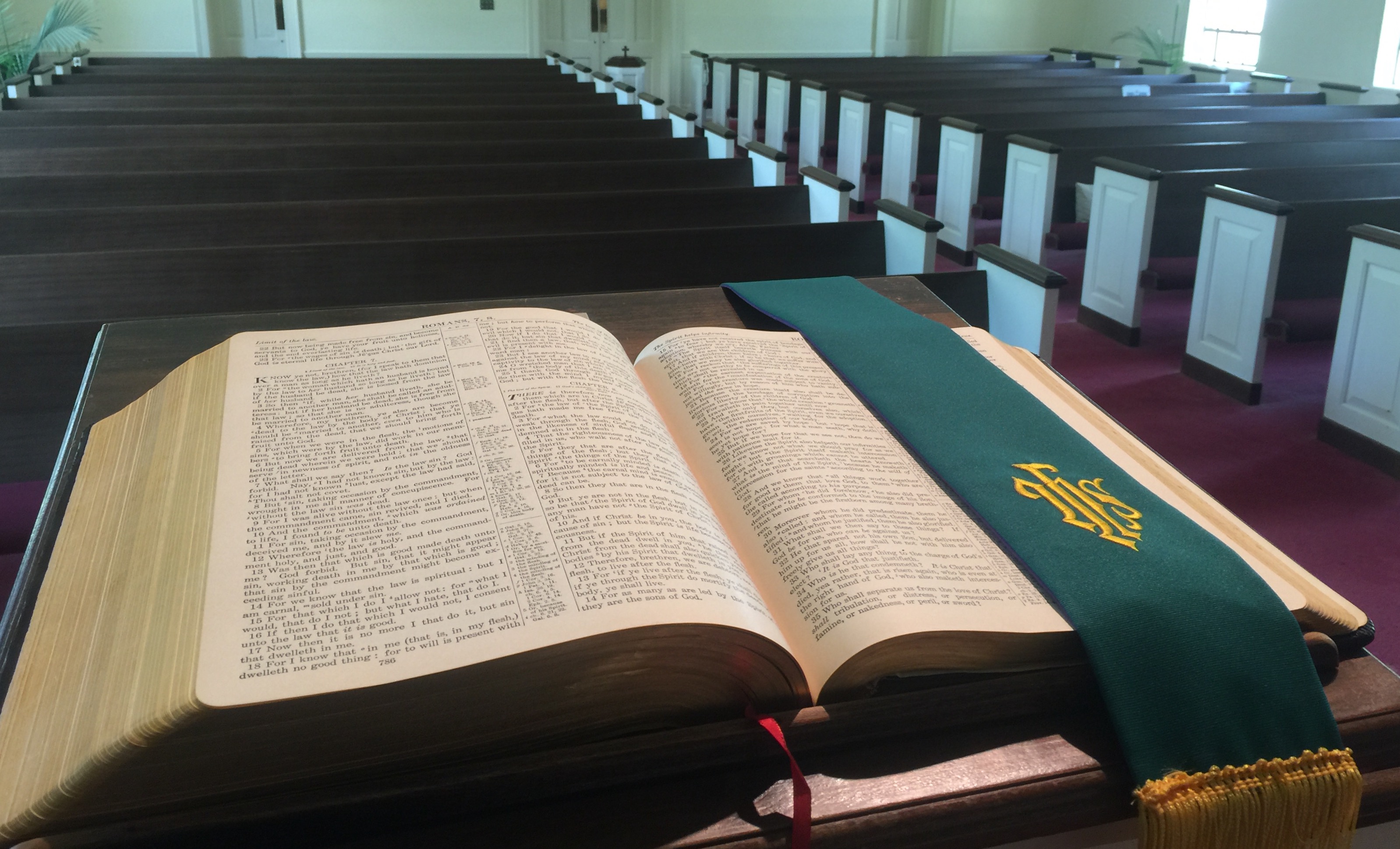
Sacred Spaces: The Lectern & Bible

FullSizeRender 9

In Dr. Robert Smith’s preaching class at Beeson Divinity School, he often tells his students that the greatest part of any worship service is the pure reading and hearing of the Word of God. Why is this true? We call the Bible the Word of God because it reveals to us the One Word of God, Jesus Christ. This revelation ought to lead the worshipping community into deeper fellowship with God and one another. Now I realize that there have been many arguments regarding the reliability of the Scriptures. Is it infallible? Is it inerrant? Is it inspired? I tend not to get too caught up in these arguments because at the end of the day, the Bible, as Cumberland Presbyterians see it, is “the infallible rule of faith and practice, the authoritative guide for Christian living (CP COF, 1.05).”

We have to be honest, though, and admit that the Scriptures have been maligned to do great evil in the name of Jesus Christ. From the Crusades to chattel slavery in America to the Holocaust during WWII to abusive situations in marriage, there is great harm that sinful humanity can inflict upon one another using an authoritative text. This evil shouldn’t surprise us at all, seeing that Satan twists God’s Word all the time in the Bible as he tempts Eve, as he tempts Jesus, and we all know from our own battles with temptation. The question that the serpent asks Eve in Genesis is the same question Jesus faced, as do we. That question: “Did God really say?” Sin in many ways is the result of us answering with an emphatic “NO!” to that question.

(A final brief word about the Bible. As Christians, it is important for us not to get caught up in speaking too strongly about the infallibility/inerrancy/inspiration discussion. Any discussion along these lines can very quickly lead us into a place where we think we have authority OVER the Bible. We are not the judge of Scripture–we never can be. We sit underneath the Bible and it reads us more powerfully than we read it. When we read Scripture, it is imperative that we do not get into the habit of picking and choosing what is and isn’t true or false. Scripture is the revelation of the Gospel of Jesus Christ. When the Bible speaks, it speaks into a sinful humanity and should cause us not to quarrel with what the Bible says to us about our sinfulness. Instead, the faithful child of God receives the word of God in Scripture as his or her looking glass into the realities of our lives. So, rather than argue what the Bible is, the proper dispensation for the Christian is to humbly receive the commands of God and allow the Holy Spirit to conform us to the image of Christ. This is what brings glory to Christ in our lives.)

We know in 2 Kings 22-23, that when the Book of the Law was found in the Temple, King Josiah renewed the covenant in the presence of the LORD. He vowed to follow the LORD, keep his commandments, statutes, and decrees with his entire being. Then the people of God followed and pledged themselves to the covenant with God to be a faithful people. Josiah ordered the people of God to celebrate the Passover and observe the holy call of God. He destroyed the altars to false deities and returned to the word of the Lord as his national standard. We often see the pure reading of the word of God cause the people of God to repent and return to faithfulness to God.

Paul also instructs Timothy in 2 Timothy 3 to be ready in season and out of season to proclaim the word of God. He tells Timothy that all Scripture is God-breathed and useful for all teaching, preaching, correction, and rebuke. The Bible contains within its pages the standard of God by revealing to us His character and saving activity in Jesus Christ for a sinful humanity.

Our task as Christians is to faithfully encounter the revelation we have in Scripture, repent of the ways we have done violence to others when we misuse God’s Word, and seek the faithful adherence to the commands of God. As another Beeson professor, Dr. Osvaldo Padilla, cautioned us all on the first day of Exegesis of Colossians, “You current and future preachers of the Gospel need to understand that the Bible contains the words of life and death. Do not take your task lightly as a preacher. People’s eternity depend upon the proclamation of the Gospel.” Wow! The proclamation of the Gospel has the power of life and death Allow that to sink in. May God have mercy upon all preachers and teachers who work to communicate the truths of the Gospel from the Bible. Lord, have mercy!

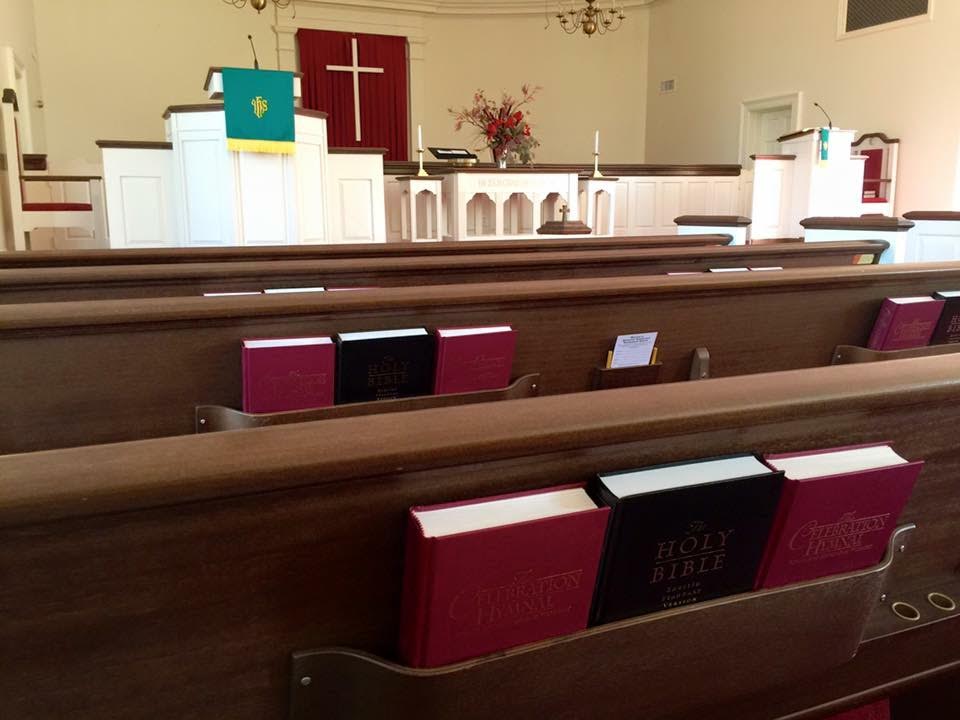
In our sanctuary, we have a Bible sitting atop a lectern on the chancel platform. The purpose of this arrangement may seem to be decorative, but rather, it communicates to us abiding presence of God in His creation. The Bible atop the lectern reminds us of the importance, beauty, and revelation of God to us. (Note: As Christians, we don’t worship the Bible. As yet another Beeson professor Dr. Mark DeVine would say, “The Bible is not the fourth person of the Holy Quadrinity!” It is important to make this distinction. We do, however, need to understand and take the Bible at its word when it reveals to us the person of Christ and our sinfulness.) The lectern is the place from which the people of God hear the public reading of Holy Scripture. As we hear the great accounts of God’s interactions through Jesus Christ with Adam, Eve, Abraham, Moses, David, Isaiah, Malachi, Mary, the twelve disciples, the Apostle Paul, along with all the others, we hear the story of a loving God pursuing his fallen creation. Even in the difficult sections when we read of Sodom and Gomorrah, the violence in the Book of Judges, and the enigmatic Revelation, we have a glorious truth of a God who is holy, just, and true to his promise. These events in the Scripture remind us that our God is a God who is never far from us. He has promised never to leave nor forsake us. He has even loved us so much that he gave us his Son, Jesus Christ, to save us from sin and death. We do great damage to the word of God when we treat it casually. When Scripture is read in faith, it presents with opportunities to worship faithfully, to serve God obediently, to trust Christ more deeply, and understand the presence of God in our lives continually.

The next time you see the lectern and Bible at HCPC, rejoice in the fact that, as Isaiah 40:8 affirms, “the grass withers and flowers fade, but the Word of our God will stand forever.” What a beautiful reality. Amen.

Called: Ephesians 1:1-14

IMG_0089

Ephesians is a rich letter from the Apostle Paul to his brothers and sisters in Ephesus. Written around 60 AD, Paul gives us a beautiful look at how orthodoxy (right faith) leads to orthopraxy (right living). The operative phrase in the entire book is “in Christ” (or some formulation of that phrase). Ephesians leaves us zero doubt that sanctification (being made holy by God) and justification (being declared righteous) is only in Jesus Christ. One way to remember this is by paying attention to how many times Paul uses some form of “in Christ” in his letter. He wants the reader to never forget that it is only in the person of Jesus Christ that we have any hope for relationship with God. Our relationship with others flows from this restoration we have to the Father by Christ Jesus. There is nothing we can do, say, or think that can get us into right relationship with God. The late Adrian Rogers once said in a sermon, “I wouldn’t trust my best fifteen minutes on earth to get me into heaven.” It is only in Christ alone that we have any hope to defeat sin and death.

In. Christ. Alone.

Lutheran theologian Walter Obare Omwanza has stated that “the unity of the church is given by God and not an achievement of human beings.” Omwanza rightly identifies that Paul is proclaiming that unity of faith is only possible in Christ Jesus. No human action can create the true unity that humanity desires. Omwanza echoes the prayer of Jesus in John 17. In John 17, while in the Gethsemane, Jesus prayed for unity of the disciples. This unity was not to be for the sake of unity alone, but it has deep theological significance for the world. The unity of the followers of Christ will provide a witness to the world that Jesus is the Messiah, the Son of God, the One who has defeated sin and death for all time. Unity is not a wish dream nor is it an ideal. It is a reality found only in the Triune God that communicates the gospel in a mighty way.

In verses 1 and 2, Paul opens his letter by addressing the people of Ephesus as saints. Many times we do not think of ourselves as saints. We often times think that a saint is a perfect person who does most everything correctly. However, the Bible teaches us that everyone who trusts Jesus Christ as Lord and Savior, even though we are imperfect, are God’s saints. These folks in Ephesus were faithful to Christ and that is the only requirement to be considered a saint. Therefore, in Christ, fallen humanity has hope and assurance that we are all saints with a purpose to glorify God.

In verses 3-14, Paul then instructs us on the all encompassing work of God in Christ
Jesus. Verse three begins with worship as Paul blesses God the Father because of the work of Jesus Christ. The Father of Christ has blessed us in Christ with every spiritual blessing. In verse four, we learn that God chose us in Christ before the foundation of the world. Also in verse four we are implored to to be “holy and blameless” before God. This is an impossibility apart from Jesus Christ. We are clothed in Christ and when God sees us he no longer sees enemies, but rather his children. The love of God has predestined us for adoption as children of God. It is for God’s purposes alone that this is done. God has blessed us in his grace in Christ. We have redemption in Christ and forgiveness of our sins. In the person of Christ, God has lavished all wisdom, grace, and insight upon us. Christ is the assurance for all time that we have been reconciled to the Father in heaven.

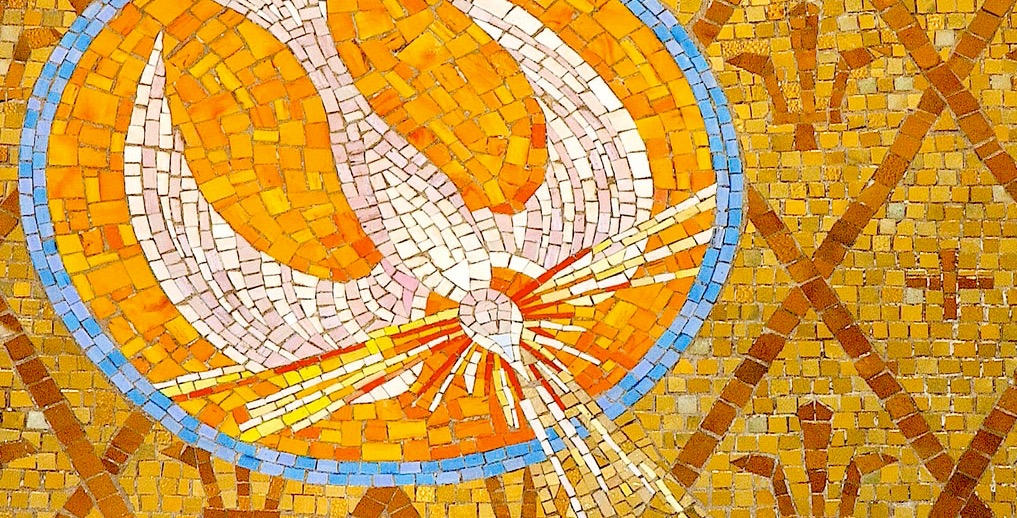
Not only have we this assurance, but we also have an eternal inheritance in Christ Jesus. All these blessings we have in Christ ought to cause us to worship and serve God with faithful hearts. It is the Holy Spirit of God–the same Spirit that raised Christ from the dead–that inhabits all of the children of God and creates within them the faith that leads us to Christ again and again and again.

These opening verses reveal the foundation of our lives in Christ Jesus. No matter where we are or when we are, we have reason to worship the Triune God. This is better than good news–it is the Gospel.

I would be remiss if I didn’t take a moment to address the elephant in the room–election. The concept of God choosing and predestining his people for these eternal blessings cannot be ignored. What does he election mean?

The Cumberland Presbyterian Church was formed because our first ministers rejected the idea of election and double-predestination. As I see it, we cannot avoid predestination as Cumberland Presbyterians because the Bible uses those words and teaches those truths. However, we have to understand what it means for God to elect his people for salvation. Forgive the brevity and simplification of the next two paragraphs as the doctrine of election is a deeply nuanced doctrine.

One explanation of election focuses on the decree of God. Briefly, this explanation teaches that God has determined and decreed who will specifically be saved. God has predetermined his elect and it will be done.

An alternative to this view of predestination by decree is that God has predestined his people in Jesus Christ. Karl Barth tells us in his Dogmatics II.2, that Jesus Christ is both electing God and elected man. And because of this reality of Jesus, he has the final word over the fate of his creation. This makes the central question of election not “Who are God’s elect? but rather, it is the very question Jesus asks his disciples in Mark 8–“Who do people say that I am?” Election and predestination is in Christ alone. Therefore, whenever God’s elect is asked the question “Who is Jesus?”, their answer is this: The Son of the Living God; the Messiah; the Savior of the World; the Lamb who takes away the sin of the World; the image of the invisible God. Those in Christ’s flock know his voice. His is the voice of our Lord and Savior. Who do YOU say Jesus is?

These first fourteen verses prepare us for an encounter in which we can understand the truth of our God. Jesus Christ is the foundation of our being. Unless we recognize the truth of who we are in Christ, we will never find the promised rest our hearts so desire. Amen.

The Act of the Holy Spirit, Sermon 1: The Living Church

IMG_0087

Acts is a book filled with the miraculous transformative power of the Holy Spirit. We see people who are working beyond human explanation. For example, Peter, who was once scolded by Jesus for not keeping his eyes on the things of God, is shown to be filled with the things of God and proclaiming with great authority the Gospel of Jesus Christ.

As the disciples are gathered together following the resurrection of Jesus, we see the first three movements of the Holy Spirit. These movements show us how the Holy Spirit gathers together the Living Church of Christ and empowers it to be witnesses of Jesus Christ to the world.

Movement 1: The Promise of the Holy Spirit
In John 14 and 16, when Jesus is talking with his disciples, he promises them that he will send a comforter. This promised comforter is the Holy Spirit. The first movement of the Holy Spirit is God’s promise to be in our lives. God never forsakes his promises to his people. God is trustworthy. What he says, he will fulfill. When Jesus promises the Holy Spirit to us, it is God assuring us that he will always be with us. When we confess Jesus as Lord and Savior, this is a sign of the Holy Spirit working in our lives. The Apostle Paul in 1 Corinthians 12:3 tells us that no one can say “Jesus is Lord” except in the Holy Spirit. So, as you live your life, know that if you confess that Jesus is the Lord of your life, that the Holy Spirit has empowered you to do so and, therefore, you have had the promise of the Holy Spirit active in your life. The Holy Spirit is with you and is God present in your life.

Acts 1:1-5 demonstrates to us how we are to abide in the Holy Spirit. In every way, we are commanded to wait upon the Lord. God’s timing is not our timing. Our lives ought not be dictated by our plans and our aspirations. We await God. We await his will to be done. As we await, may we remember his promise for us. But we do not do nothing while we await. We pray. We serve. We welcome. We faithfully live to the glory of God. May we know that he is with us. May we not be distracted by the things of this world, but instead, may we see ourselves as God’s disciples and faithfully prepare ourselves for the work Christ has in store for us.

Movement 2: The Mission of the Holy Spirit
In Acts 1:6-11 we see Jesus proclaim to us that the work of the Holy Spirit is different than we expect. In our lives, we have to fight our urges to always be in control. We have to fight our urges to know every detail worked out in front of us prior to us demonstrating faithfulness to God. The disciples ask Jesus a question about the ultimate fulfillment of God’s plan for his people. Instead of giving them the specific answer about when the restoration of God’s Kingdom will occur, Jesus responds with the ultimate “Don’t worry about it!” God the Father has fixed the time and season for his restoration of the Kingdom, but we do not need to be concerned with that information. Why would Jesus respond this way? Well, certainly Jesus wants us to trust God and know that it is his mission that we are on, but I can’t help but think about what those disciples would have done with that information. I was thinking the other day about this very point and wondering what I would do if I knew the exact time when Jesus will return. In a much more less important example, every year Cindy and I talk about how we need to be better prepared for Christmas. We talk about doing shopping early so we don’t run out of time, but every year we find ourselves running around on December 23 looking for presents for someone. We put off the work we said we should be doing and instead use the deadline of Christmas as a comfort. We say that we will have time to do it later. I asked myself, “If I knew when Jesus was going to return, would I put off what I should be doing? Would I procrastinate?” Jesus, in his words to his disciples, tells them and us to be about the work we’ve been given to do. The only thing we need to worry about as followers of Jesus is being a witness to Jesus Christ in the “Jerusalems, Judeas, and Samarias” in which we live. That is our task and vision.

A final statement on the second movement of the Holy Spirit–notice how the disciples have to be prompted to get busy with the mission of God. As the disciples watch Jesus ascend into heaven they stand amazed. I imagine that they are taking in everything about that moment. They didn’t want to miss a thing. But they stood amazed a bit too long. Notice in verse 11 how two angels had to ask them, “Why are you standing here? GET TO WORK!” We cannot allow the past glory that we have witnessed to prevent us from faithfully following Jesus where he leads us. We can become very comfortable with where we’ve been. We can take a great deal of pride in what God has done in our lives. And if we aren’t careful, this can distract us from what God is calling us to do now. God, have mercy on us when we allow the glory days of our past to cause us to live lazily in the present. May we be present in the mission of the Holy Spirit every day.

Movement 3: The Strengthening by the Holy Spirit
The Holy Spirit strengthens the disciples in Acts 1:12-26. The troubling actions of Judas Iscariot undoubtedly scarred the fellowship of disciples. Jesus selected twelve disciples to train for the purposes of living the mission of God. We know that Jesus had sent the disciples out two-by-two to preach in various cities in Israel. The void left by Judas was not ignored or over-looked. As the disciples were abiding together, they were consumed in prayer awaiting the fulfillment of the promise of the Holy Spirit. As these disciples prayed together, the Holy Spirit strengthens them by filling the vacancy left by the death of Judas.*

The community of God is a community knit together by God. God brings his people together and equips them to do the ministry he has given them. Many times we can think that we decide to go to church. We often times forget that God has brought us together as a church. Perhaps my favorite understanding of the church is that it is a community of people who never would have ordinarily come together if it were not for the action of Jesus. The relationships I have with the people at Homewood CPC have no other foundation than the foundation of Jesus Christ. Because of Jesus, I serve Homewood CPC. Because of Jesus, our session works together. Because of Jesus, we exist on Columbiana Road. Our being as a church is grounded in the foundation of Jesus Christ. Which makes the selection of Matthias as the twelfth disciple so important. The Holy Spirit strengthens the community of disciples by stitching together the family of faith. Matthias has always been there in the midst of the disciples, but now, it’s time for him to work.

We as a church have to always be ready to be strengthened by the Holy Spirit. God strengthens his church by bringing his people together. It is by the work of the Holy Spirit that God’s church grows. This leads us to understand that anyone who enters the church of God has a place in the mission of God. How welcoming are we toward our new neighbors and those who have found their way into our church each week? Do we see these lives as the Holy Spirit strengthening his people, or do we reject the strengthening of the Holy Spirit and neglect those God sends into his house? May we enlarge our understanding of who we are as a church and know that without God and his Holy Spirit, we are just another social club with no authority or purpose.

These movements of the Holy Spirit are important for us to see as they should drive us to prayer. Notice that in 1:14 that the disciples had devoted themselves prayer together as they were obediently awaiting the Holy Spirit. How do we fill our time during the “unexciting” times of life? Prayer is terribly absent in our current Christendom in America. I am not saying we don’t pray, but I am saying that the devotion to prayer in the church is severely lacking. Prayer is the language of faith. It is the understanding that we are not the final word or authority for what happens to us. It is the appeal and dependence on the God of the universe, who moves within his people in mighty ways. As Jesus taught us, may we ever be in prayer, seeking not our will for our lives or our will for what we think the church should be, but that God’s will be done on earth as it is in heaven. May we be faithful to God as he moves within his church. Amen.

*(Not to spend too much time discussing the details given in Acts about Judas’s death, but we must understand that there was nothing honorable about Judas’s actions in betraying Jesus nor in his death. In recent years, much attention has been given to the discovery of “The Gospel of Judas” and the message within it that implies that Judas was only being faithful to Jesus in his betrayal. One thing is clear in this recounting of Judas’s fate, it is that his actions, both betraying Jesus and in his taking of his life, are not honorable nor are they admirable.)

Sacred Spaces: The Candles

IMG_0036

A few weeks ago during one of the strong storms that passed through our area, the electricity at our house went out. Ava, Braden, and Drew scrambled to find flashlights, lanterns, torches, or anything to make a bonfire. It didn’t matter to them, they just wanted the frightening darkness to go away. Ever heroic, Cindy and I lit candles and as the warm glow filled the room, our three children rejoiced knowing the light protected them from whatever they thought lurked in the darkness. The presence of light made all the difference to them.

We all relate to the fear associated with darkness. We tremble at reports in the news of the darkness in our world. Violence, disease, war, terrorism, political turmoil, suffering, pain, and death bring us tidings of discomfort and fear. We fear whatever it is lurking in the darkness we can and cannot see. However, in the midst of the darkness, the presence of the True Light, Jesus Christ, makes all the difference in the world for us.

In the beginning, God’s Spirit hovered over the waters of chaos (Genesis 1). He began to bring order to the chaos with a simple command: “Let there be light”. John explains to us in John 1:1-9 that Jesus is the true light that cannot be extinguished by darkness.

The light of Jesus, then, illumines us as we live in this world of darkness. We may first scramble around like Ava, Braden, and Drew when the power outage left us in darkness, but the end of our search for the light in our world begins and ends in Jesus. And because Jesus is the light, he makes us lights in the world around us. In Matthew 5:14, Jesus tells his disciples that they, because they are his disciples, are the light in this dark world. Paul would later say that, “it is no longer I who lives, but Christ who lives in me” (Galatians 2:20). Therefore, we are “to let our light shine before others” so that, ultimately, God the Father in heaven is glorified by all. We all need to be reminded of this command of Jesus as we live in our world each day as the city set on the hill that cannot be hidden.

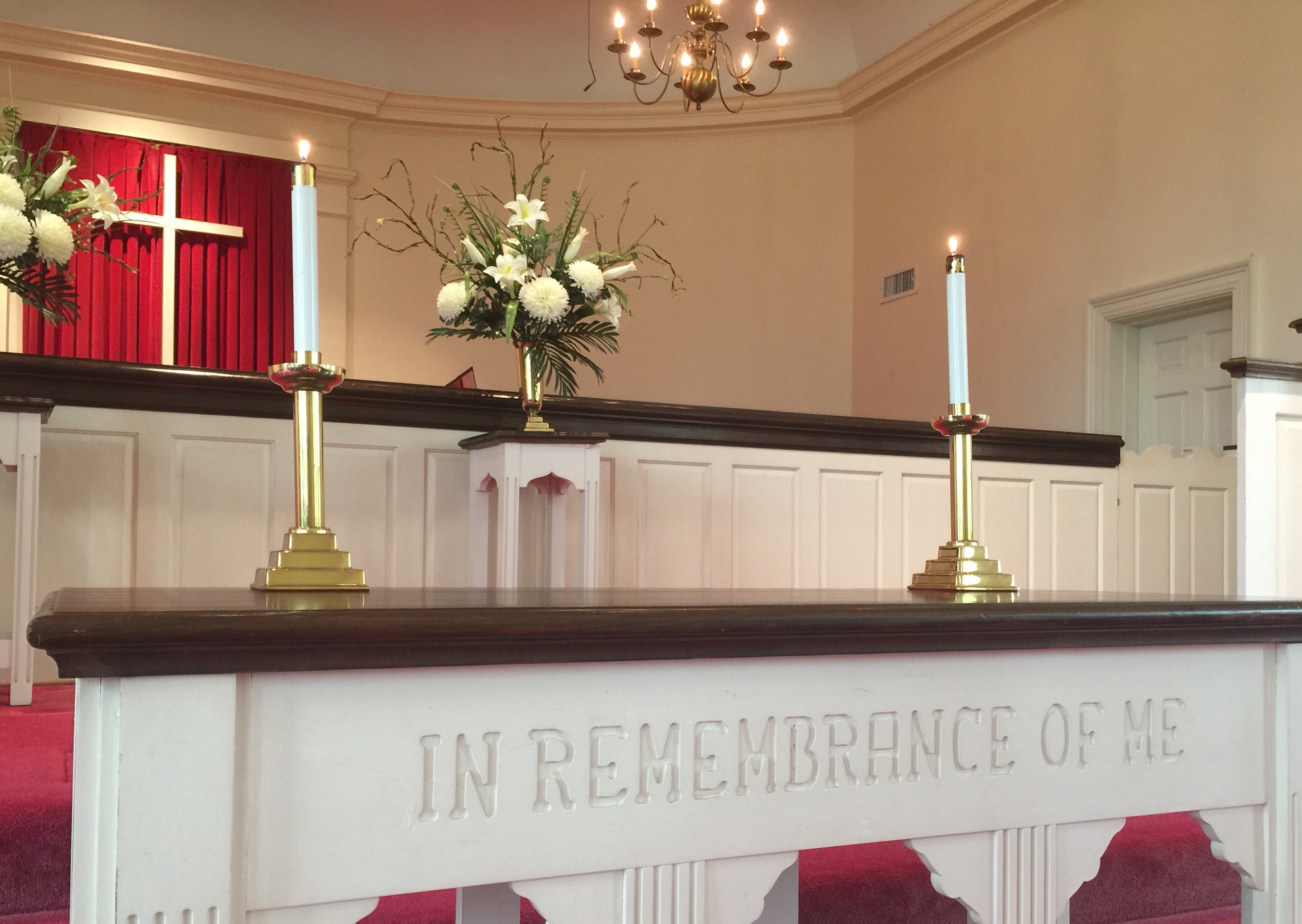
To help us remember this truth, our acolytes bring forth the light to the Lord’s Table each week during worship. Yes, the same little children who are often scared of the dark proclaim the truth of Jesus Christ! The deeply symbolic act of lighting two candles on the Lord’s Table reminds us of who God is, where God is, and who we are because of God. The little children who bring this light proclaim that Jesus Christ is the light of the world and is present in our lives every minute of every day. They proclaim that Jesus is fully human and fully divine. They proclaim that Jesus has conquered the powers of darkness and will not be defeated by any evil. They proclaim that Jesus Christ has entered each of our lives and set us up as a city on a hill to the glory of God the Father. These are but a few of the proclamations made by the acolytes each Sunday.

Then, at the conclusion of each service, those same acolytes return to take the light from the Lord’s Table into the world. We do not leave church under our own power. We do not leave with no travel plans. Jesus leads, we follow. Jesus is the light of the world and wherever he leads us is the mission field of God. It is in these mission fields where we let our light shine. We follow Jesus with the confidence that the light cannot be overcome by darkness. Paul says in Romans 8:37 that we are “more than conquerors through him who loved us.” Therefore, we do not leave our “Sunday-selves” behind in the sanctuary after worship. We carry our worship into the dark world and prayerfully allow the light of Christ to shine through us as we serve God each day with faith to know Christ has conquered every enemy we will face.

The next time you see the acolytes bring forth the light into the sanctuary and take forth the light from it, may you be filled with the confidence that Christ is in our presence always (or better, we are in Christ’s presence always). May you know that he has brought an end to all things that threaten to harm you. May you have faith that in him you are able to triumphantly enter the world and do all things despite the attacks of Satan. May you victoriously carry with you the light of the Gospel of Jesus Christ: God is with us; God loves us; God is for us (and if God is for us, who could be against us?). We have this with all certainty in Jesus Christ, our Lord and Savior. Amen.

Sacred Spaces: Introduction

unnamed

A sanctuary is a sacred space. It is set apart for holy and life giving purposes. The psalmists often yearn to enter the sanctuary to worship God in his holy presence (Psalm 122). While Jonah is in the belly of the great fish—as he is attempting to flee God’s presence—he ironically sets his heart upon the sanctuary of God and finds comfort in the rest associated with being in God’s presence (Jonah 2).

The sanctuary is a place where people enter and experience something greater than the world has to offer. The sanctuary offers what no restaurant, state park, concert hall, pub, or even one’s own home could ever offer. Not even the baseball stadium can provide what the sanctuary of God offers. Though the Bible tells us that there is no place on earth we can go and escape the presence of God (Psalm 139), God’s people regularly enter into the sanctuary to pray, worship, hear the gospel, participate in receiving the gifts of communion and baptism, and to encourage fellow saints as we live in communio sanctorum.

The sanctuary is more than just a room with pews, a table, a few instruments, and lecterns. It is a dwelling place that tells the larger story of God’s activity in the world. The sanctuary gives a lens by which we see the world. As we observe the grace of God in sunrises and sunsets, by seeing majestic mountain ranges and breathtaking ocean fronts, in everywhere and every time in between, it is the sanctuary of God where we are reminded of the one who made the beauty of the world. It is the place where—during times of conflict, tragedy, and uncertainty—we are reminded of the ever-present and never-forsaking God and his sovereign providence over all creation.

When we enter the sanctuary, we must be focused on the promise of God for us. As Paul asks in Romans 8, “If God is for us, who could be against us?” From the wooden pew to the communion table, from the baptismal font to the pulpit, we are called to see the Word made flesh in Jesus. We are called to witness the salvation given us in Christ by faithfully pointing others to him.

Over the next few weeks, Pastor Sherrad and I will be reflecting on the various features of our sanctuary at Homewood CPC. Hopefully, these reflections will remind each of us of the ever-present and never-failing God who acted in Jesus Christ to bring us salvation and faith in every season of our lives. May we rejoice together. May we be reminded of the promise of God to us in Jesus Christ that nothing can ever separate us from the love of God in Christ Jesus (Romans 8). May we know we are forgiven in Christ alone. May we live boldly in the service of our Lord and Savior Jesus Christ. And may we rejoice when we see others come to know Christ and worship alongside the communio sanctorum in this sacred space. Amen.

Together in Christ,

Pastor Derek